


 English
 русский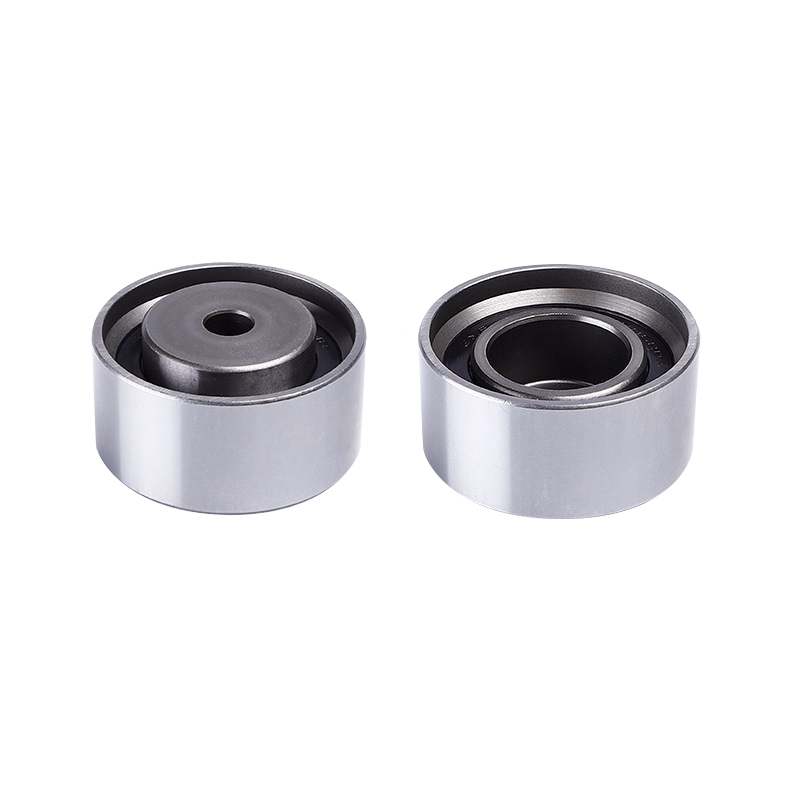
In automotive and machinery applications, reliable bearings are essential for smooth operation and long-term performance. The 13503-62030 is a specific OE (Original Equipment) bearing number commonly used in various vehicles and machinery components. Choosing the right bearing ensures proper alignment, reduces friction, and prevents premature wear. Understanding its features, applications, and maintenance requirements helps operators and mechanics make informed decisions.
Key Features of the 13503-62030 Bearing
1. Material and Durability
The 13503-62030 bearing is typically manufactured using high-quality steel with precision machining. Its materials are selected to resist wear, corrosion, and heat generated during operation. This durability ensures that the bearing can perform reliably under continuous use in demanding environments.
2. Design and Load Capacity
This bearing is designed to handle both radial and axial loads, making it suitable for a variety of mechanical setups. The precise construction of the inner and outer rings, along with the rolling elements, allows the 13503-62030 to maintain alignment and smooth rotation even under moderate to high loads.
3. Precision and Smooth Operation
High manufacturing standards ensure that the 13503-62030 bearing operates with minimal friction and vibration. This precision is critical for reducing energy loss and preventing damage to other mechanical components connected to the bearing.
4. Compatibility
As an OE-numbered bearing, 13503-62030 fits specific vehicle models and machinery exactly as intended. This compatibility simplifies installation and replacement processes, reducing downtime and maintenance complexity.
Applications of the 13503-62030 Bearing
1. Automotive Use
The 13503-62030 bearing is commonly used in vehicle wheel hubs, transmission systems, or differential assemblies. Its ability to handle both radial and axial loads makes it suitable for components that experience varying forces during operation.
2. Industrial Machinery
Beyond automotive applications, the bearing can also be found in industrial equipment that requires reliable rotational movement. Machines with motors, conveyors, or rotating shafts benefit from the smooth operation and durability of the 13503-62030.
3. Maintenance and Replacement
Regular inspection of bearings like the 13503-62030 is important for prolonging their service life. Signs of wear, unusual noise, or increased vibration indicate that replacement may be needed. Using the correct OE number ensures that the replacement matches the original specifications precisely.
Advantages of Using the 13503-62030 Bearing
- Reliable Performance: Handles both radial and axial loads effectively.
- Durable Construction: Resists wear and heat over long operating periods.
- Precision Engineering: Reduces friction, vibration, and energy loss.
- Easy Replacement: OE number ensures exact compatibility with specific vehicles or machinery.
These advantages help maintain consistent operation, reduce maintenance costs, and extend the service life of connected components.
Tips for Choosing and Maintaining the 13503-62030 Bearing
- Always verify the OE number to ensure proper fit and performance.
- Check the bearing for signs of wear or corrosion during routine maintenance.
- Lubricate according to manufacturer guidelines to maintain smooth operation.
- Replace the bearing promptly if any abnormal noise, vibration, or heat is observed.
Following these tips helps operators avoid unexpected downtime and ensures that machinery continues to run efficiently.
The 13503-62030 bearing is a reliable OE-numbered component used in automotive and industrial applications. Its durable materials, precise construction, and compatibility with specific equipment make it a practical choice for mechanics and operators. By understanding its features, applications, and maintenance needs, users can ensure smooth operation, reduce friction, and extend the lifespan of machinery components. Selecting the correct 13503-62030 bearing is key to maintaining performance and reliability in both vehicles and industrial systems.

