


 English
 русский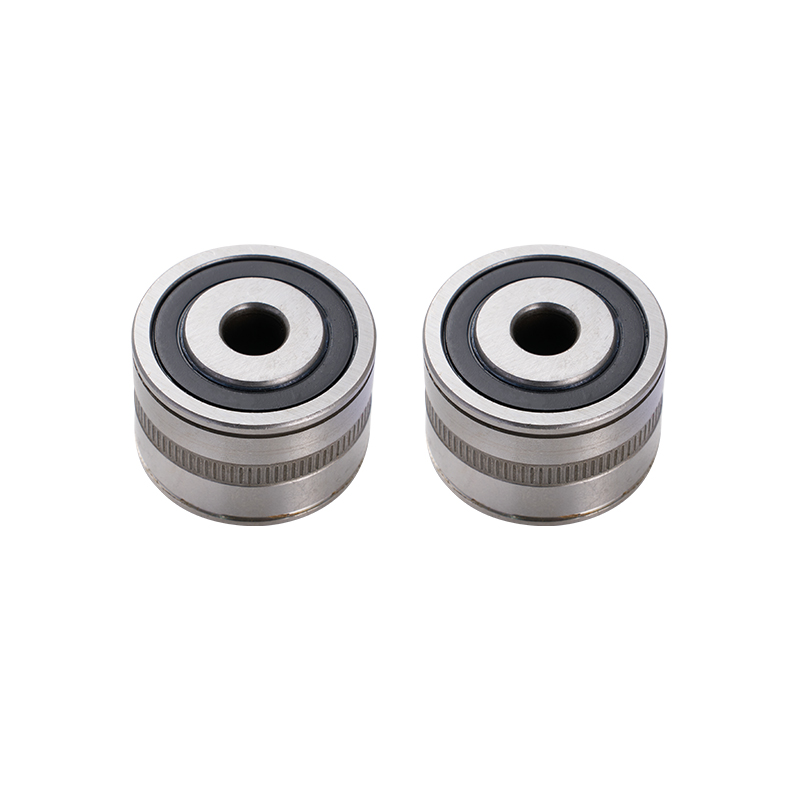
In the world of automotive maintenance and repair, specific components can have a notable impact on vehicle performance and durability. The B10-5280 is a recognized OE (Original Equipment) bearing number used in various automotive applications. Though often overlooked, bearings like the B10-5280 play a crucial role in reducing friction, supporting rotational elements, and ensuring smooth operation. Understanding this component from design, application, and maintenance perspectives can help mechanics, vehicle owners, and fleet managers make informed decisions that affect the life of a vehicle.
Key Characteristics of the B10-5280 Bearing
1. Material Composition and Strength
The B10-5280 bearing is manufactured using high-quality steel designed to resist wear, heat, and corrosion. Its internal surfaces are precision-machined, allowing rolling elements to move smoothly without creating excessive friction. This durability ensures that the bearing performs consistently even under prolonged stress or high-speed rotation.
2. Design for Load Management
This bearing handles both radial and axial loads, which is critical in automotive systems. Its configuration ensures that stress is distributed evenly across the rolling elements, preventing deformation and minimizing wear on surrounding components. By maintaining load balance, the B10-5280 supports stable operation in wheel hubs, transmissions, and other critical areas.
3. Smooth Operation and Noise Reduction
Vibration and noise can be indicators of early mechanical issues. The B10-5280 is engineered to operate quietly while maintaining precise rotational alignment. Smooth performance reduces stress on adjacent parts, contributing to longer vehicle lifespan and improved driving comfort.
Applications of the B10-5280 Bearing
1. Wheel Hubs and Axles
One of the common uses of the B10-5280 bearing is in wheel hub assemblies. Properly functioning bearings allow wheels to rotate freely while supporting the vehicle's weight. This directly affects ride quality, handling, and braking performance.
2. Transmission Systems
Bearings like the B10-5280 are also found in transmission or differential components. They maintain alignment and reduce friction between moving parts, which helps prevent premature wear and maintains operational efficiency.
3. Industrial and Specialized Vehicles
While mainly automotive, the B10-5280 can also be applied in industrial or commercial vehicles requiring precise and durable bearings. This adaptability demonstrates the component's versatility and reliability across different mechanical environments.
Benefits of Using the Correct B10-5280 Bearing
- Enhanced Durability: Reduces stress on surrounding components and prevents early failure.
- Consistent Performance: Maintains smooth operation and reduces vibration.
- Simplified Maintenance: OE designation ensures accurate replacement and compatibility.
- Cost Efficiency: Reduces repair frequency and lowers long-term maintenance costs.
These advantages make the B10-5280 a practical choice for mechanics and fleet managers aiming for reliable operation and reduced downtime.
Tips for Selecting and Maintaining the B10-5280 Bearing
- Always confirm the OE number to ensure precise fit.
- Inspect for signs of wear, such as noise, vibration, or heat during operation.
- Apply proper lubrication according to manufacturer guidelines.
- Replace immediately if performance issues are detected to avoid cascading damage.
- Proactive care extends bearing life and prevents unexpected breakdowns in critical systems.
Though small in size, the B10-5280 bearing has a significant influence on vehicle performance, reliability, and longevity. Its durable materials, precise design, and ability to handle both radial and axial loads make it essential in wheel hubs, transmissions, and other automotive applications. Understanding its features, applications, and maintenance needs allows mechanics and vehicle owners to make informed choices, ensuring smooth operation, reduced wear, and longer service life. Recognizing the role of the B10-5280 bearing highlights how even individual components contribute to the overall health and efficiency of modern vehicles.

