


 English
 русский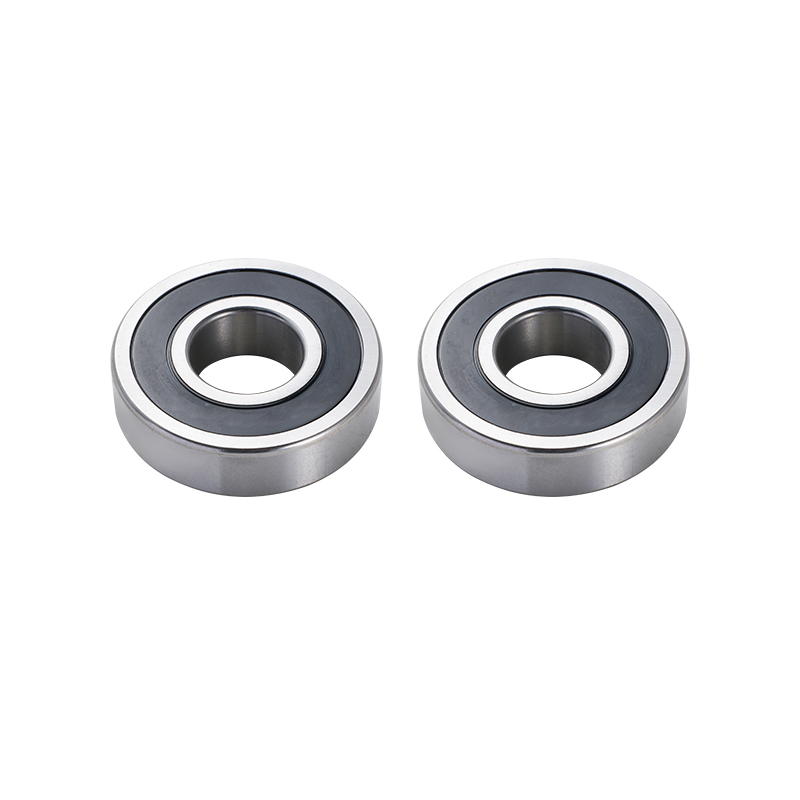
Bearings are critical components in almost every mechanical system, providing smooth rotation and reducing friction between moving parts. Among them, the 6203-B14 bearing stands out as a widely used OE number due to its reliability, versatility, and ease of integration. This article explores the characteristics, applications, and advantages of this bearing in industrial and automotive settings.
The 6203-B14 is a ball bearing known for its balanced design, durability, and ability to handle moderate radial loads. Its OE designation ensures standardization, making it easier for engineers to replace or source the correct component.
Typically, the bearing includes hardened steel rings, precision balls, and seals to protect against contaminants. The design provides low friction, smooth rotation, and extended operational life, which are essential for machines operating continuously or under variable loads.
Applications Across Industries
One of the reasons the 6203-B14 is popular is its adaptability. It can be found in electric motors, automotive systems, industrial machinery, and conveyor equipment.
In automotive applications, it often supports components such as alternators, water pumps, or fans, providing smooth rotation while withstanding vibration and thermal changes. In industrial equipment, the bearing ensures consistent operation of pumps, gearboxes, and other rotating assemblies.
Durability and Maintenance
Durability is a major advantage of the 6203-B14 bearing. Its hardened steel construction and precision assembly reduce wear, allowing it to operate effectively over extended periods.
Maintenance is relatively straightforward. Periodic inspection, lubrication when required, and protection from contaminants help maintain performance. Bearings with OE numbers like 6203-B14 also benefit from standardized dimensions, which simplifies replacement and reduces the risk of incorrect installation.
Performance in Harsh Conditions
The 6203-B14 bearing is designed to tolerate a range of operational conditions, including moderate temperature variations and exposure to dust or moisture when proper sealing is applied. Its reliability ensures that machinery can operate without unexpected downtime, improving productivity and reducing repair costs.
Some variants come pre-lubricated or sealed to minimize maintenance needs, making them suitable for hard-to-access locations in industrial and automotive setups.
Why Engineers Prefer Standardized Bearings
Using bearings like the 6203-B14 offers engineers confidence in compatibility and performance. OE numbers simplify ordering, prevent mismatches, and support quality assurance processes. Standardized bearings also allow for easier inventory management in workshops and factories.
Additionally, standardized bearings are often tested rigorously to meet performance and safety standards, giving manufacturers and maintenance teams predictable results under defined conditions.
Economic and Practical Benefits
Choosing a 6203-B14 bearing reduces downtime, simplifies maintenance schedules, and supports cost-effective operations. By investing in standardized, durable bearings, businesses can avoid the hidden costs associated with frequent replacements, improper fits, or premature failures.
Its versatility also means a single bearing type can serve multiple machines or applications, reducing inventory complexity and streamlining repair procedures.
The 6203-B14 bearing is more than just a mechanical part; it is a reliable component that ensures smooth operation across automotive, industrial, and mechanical applications. Its durability, adaptability, and standardized design make it a practical choice for engineers and maintenance teams alike.
By understanding its features and proper usage, operators can maintain machinery efficiency, reduce operational risks, and extend equipment life. Bearings like the 6203-B14 demonstrate how essential components contribute quietly but significantly to modern machinery performance.

