


 English
 русский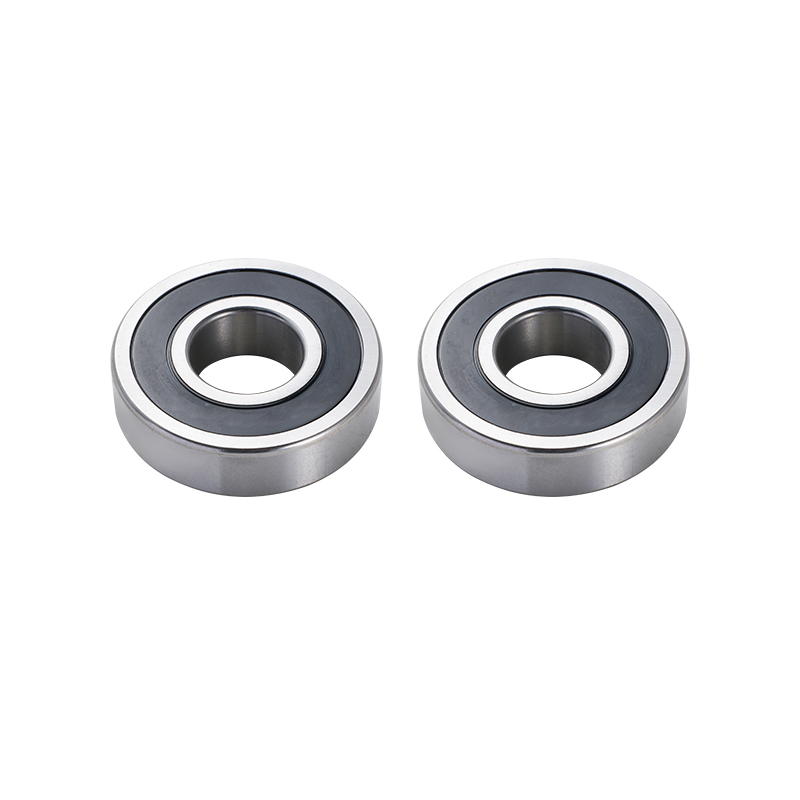
Bearings are essential components in machinery, ensuring smooth operation, reduced friction, and longevity of mechanical systems. The 6203-B14 bearing, identified by its OE number, is widely used across various industries due to its design, material quality, and performance characteristics. Understanding its features, applications, and maintenance requirements can help engineers and maintenance teams select the right component for their equipment.
1. Understanding the 6203-B14 Bearing
The 6203-B14 is a type of ball bearing designed to handle radial loads efficiently while maintaining smooth rotation. It has a standardized size and configuration, making it compatible with multiple machines and applications. The OE number allows easy identification and ensures that replacement parts match original specifications.
These bearings are often used in motors, pumps, gearboxes, and other rotating machinery, where reliable and precise performance is necessary. By referencing the 6203-B14 number, technicians can confirm the exact bearing required, avoiding mismatched components and operational issues.
2. Construction and Materials
The durability and efficiency of the 6203-B14 bearing depend on its construction and materials. Typically, it includes:
- Inner and outer rings: Made of high-quality steel to resist wear and handle radial forces.
- Balls: Hardened steel spheres reduce friction and allow smooth rotation.
- Cage: Keeps the balls evenly spaced and maintains proper alignment.
Precision engineering ensures that the 6203-B14 can operate under varying loads and speeds, providing reliable service over extended periods.
3. Performance Characteristics
The 6203-B14 bearing offers several performance benefits:
- Low friction: Reduces energy loss in mechanical systems.
- High durability: Resists wear and maintains performance under continuous operation.
- Stable operation: Ensures minimal vibration and noise.
- Ease of replacement: Standard sizing and OE identification make maintenance straightforward.
These characteristics make it suitable for use in motors, industrial fans, conveyor systems, and other machinery that requires consistent rotation and load handling.
4. Applications Across Industries
The 6203-B14 bearing finds applications in multiple sectors, including:
- Manufacturing equipment: Gearboxes, presses, and automated machinery
- HVAC systems: Motors in fans and blowers
- Automotive parts: Alternators, water pumps, and other rotating components
- Agricultural machinery: Equipment like harvesters and conveyors
Its versatility and standardized design simplify sourcing and maintenance, ensuring operational reliability in various industrial setups.
5. Installation and Maintenance Considerations
Correct installation is critical for the 6203-B14 bearing to perform effectively. Technicians should ensure:
- Proper lubrication to minimize wear
- Accurate alignment to avoid uneven load distribution
- Regular inspection for signs of fatigue or damage
Routine maintenance helps extend the bearing's service life and reduces the likelihood of unexpected equipment downtime. Using genuine replacements with the correct 6203-B14 OE number guarantees compatibility and optimal performance.
6. Choosing the Right Supplier
Sourcing a 6203-B14 bearing from a reliable supplier ensures consistent quality and adherence to industry standards. Suppliers often provide material certifications, performance guarantees, and technical support to help with installation and troubleshooting. Verifying that the bearing meets OE specifications avoids compatibility issues and maintains the machinery's operational efficiency.
The 6203-B14 bearing is a dependable component for various industrial and mechanical applications. Its precise construction, durable materials, and standardized OE identification allow engineers to maintain machinery efficiently and reduce downtime. By selecting the correct 6203-B14 bearing and following proper maintenance practices, industries can ensure smooth operation and extended equipment life.

