


 English
 русский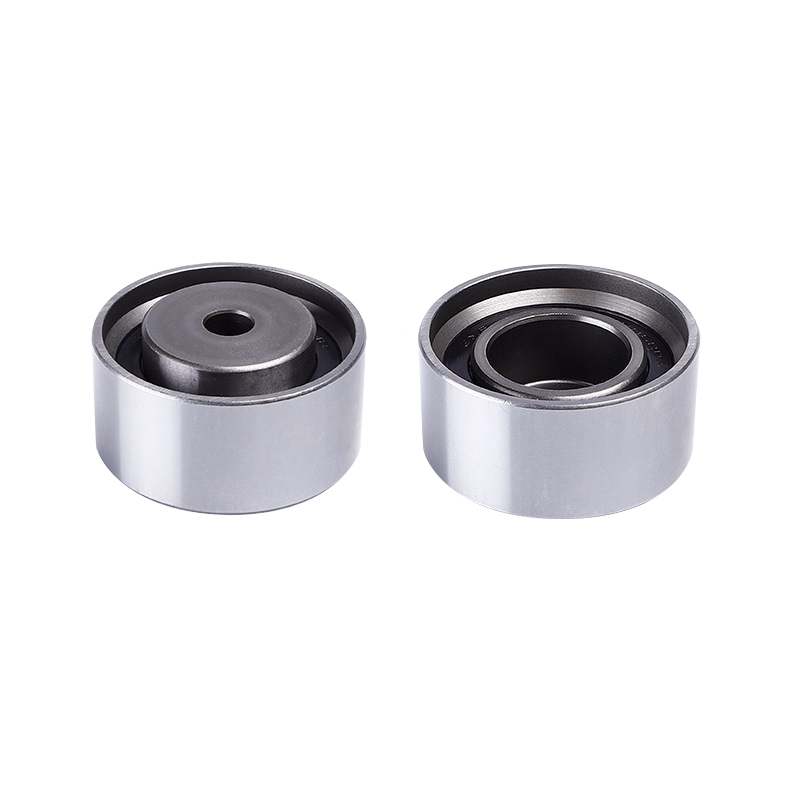
Vehicle reliability depends on many components working together, and bearings play a crucial role in keeping everything running smoothly. Among these, the 24810-23050 bearing is commonly used in wheel hubs and drivetrain assemblies. Knowing when to inspect or replace this bearing can prevent unexpected failures and costly repairs.
Understanding the 24810-23050 Bearing
The 24810-23050 bearing is designed to support rotating components while reducing friction. Made from durable steel, it can handle both radial and axial loads, which makes it suitable for a wide range of vehicles. Many models include protective seals that help prevent contamination from dust, water, and debris, extending the bearing's service life.
Because this bearing supports critical parts like wheel hubs and drive shafts, any failure can affect vehicle stability, steering, and overall performance. Regular checks help maintain safe operation and prevent more serious damage to associated components.
Signs That the Bearing Needs Inspection
There are several indicators that it's time to inspect the 24810-23050 bearing:
- Unusual Noise: A grinding or humming sound coming from the wheel area can indicate bearing wear.
- Vibration or Looseness: If you feel vibrations through the steering wheel or notice a loose feeling in the wheel, the bearing may be compromised.
- Heat Build-Up: Excessive heat near the wheel hub can be a sign that friction is increasing due to wear or lack of lubrication.
- Uneven Tire Wear: Sometimes bearing issues can cause irregular tire wear, affecting overall vehicle performance.
Early detection of these signs allows you to address the problem before it leads to more serious damage to axles, gears, or suspension components.
How to Inspect the 24810-23050 Bearing
Inspection usually involves a combination of visual checks and physical testing. Mechanics often:
- Lift the Vehicle Safely: Use a lift or jack stands to ensure the wheel is off the ground.
- Check for Play: Rotate the wheel and gently move it side-to-side to feel for looseness or unusual movement.
- Listen for Noise: While spinning the wheel, listen carefully for grinding or humming sounds.
- Check Seals: Examine the bearing seals for cracks, dirt, or moisture entry.
If any irregularities are detected, the 24810-23050 bearing may need replacement.
When Replacement Is Necessary
Replacement should be considered when:
- There is noticeable wear, damage, or contamination.
- Noise or vibration persists even after lubrication.
- The vehicle manufacturer recommends replacement at a specific mileage interval.
Using an original equipment (OE) bearing like the 24810-23050 ensures proper fit and performance. While aftermarket options exist, OE bearings maintain the precise tolerances required for smooth rotation and long-term reliability.
Maintenance Tips to Extend Bearing Life
To keep the 24810-23050 bearing functioning well:
- Avoid driving through deep water or muddy terrain unnecessarily.
- Ensure proper lubrication during installation and maintenance.
- Follow manufacturer guidelines for inspection intervals.
- Keep surrounding components clean to prevent contamination.
- Proper care can help the bearing last longer, reduce vibration, and maintain overall vehicle stability.
Knowing when to inspect or replace the 24810-23050 bearing is key to safe and reliable vehicle operation. Regular inspection for noise, vibration, heat, and wear can prevent costly repairs and protect other parts of the drivetrain. Using the correct OE bearing ensures compatibility and consistent performance. With proper maintenance, the 24810-23050 bearing can provide smooth operation and help your vehicle remain stable and safe on the road.

