


 English
 русский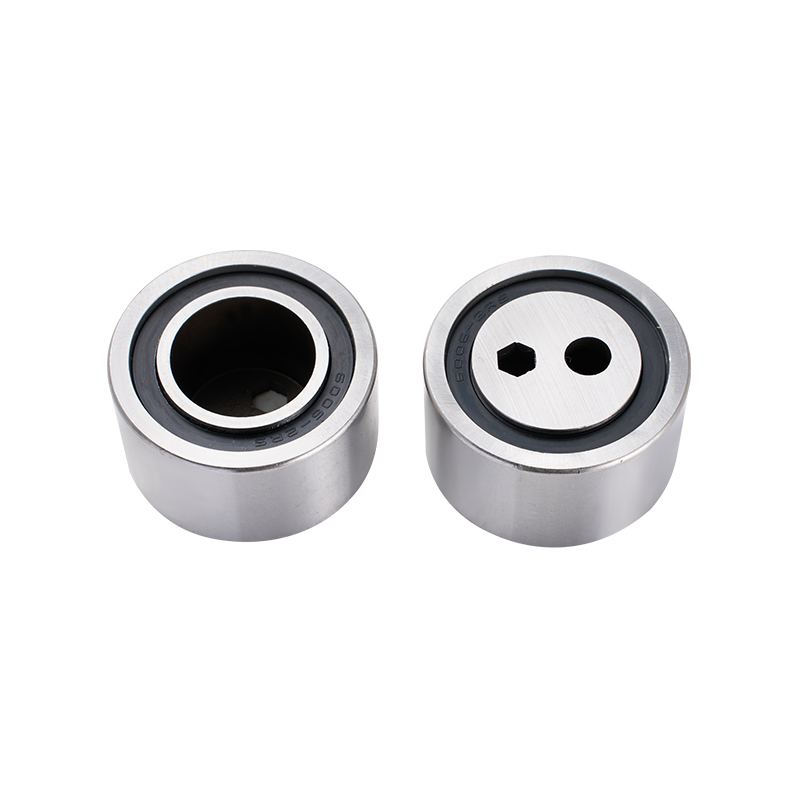
When it comes to vehicle maintenance, small components can have a large impact on performance. The VKM13100 bearing, identified by its OE number, is one such component. While it may seem minor, this bearing plays an essential role in supporting engine systems, reducing friction, and ensuring smooth operation over time.
The VKM13100 is a type of bearing commonly used in automotive engines. Its primary function is to support rotating shafts while reducing friction between moving parts. Bearings like this one are critical for timing systems, accessory drives, and other areas where precise motion is required. Without reliable bearings, engine components can wear unevenly, leading to noise, vibration, or even damage.
OE numbers like VKM13100 are important because they allow mechanics and parts suppliers to identify exact replacements. Using the correct OE number ensures compatibility with the vehicle model and avoids installation issues. For vehicles with high mileage or demanding operating conditions, replacing worn bearings with the correct VKM13100 unit can help restore smoother operation.
Applications in Automotive Systems
The VKM13100 bearing is often found in timing belt tensioners, idler pulleys, or alternator systems. These areas rely on precise movement to function properly. For example, in a timing system, the bearing helps maintain consistent belt tension. If the bearing fails, it can cause belt misalignment or slippage, which may affect engine timing and performance. In accessory drives, VKM13100 bearings reduce friction in rotating components, improving efficiency and reducing wear on belts and pulleys.
Maintenance and Inspection
Regular inspection of components like the VKM13100 bearing is essential in vehicle maintenance. Signs of wear may include unusual noise, vibration, or resistance when rotating parts are manually checked. Timely replacement prevents larger failures, such as pulley damage or belt breakage, which can lead to costly repairs. Mechanics often use diagnostic tools to monitor rotation smoothness, ensuring the VKM13100 continues to function as intended.
Lubrication is another factor that extends the life of bearings. While many bearings are sealed, proper oil or grease levels in the engine contribute to overall reliability. Keeping an eye on operating temperatures also helps; excessive heat can accelerate bearing wear, even for units like VKM13100 that are designed for durability.
Benefits of Using the Correct Bearing
Choosing the correct VKM13100 bearing ensures proper alignment and compatibility with surrounding components. This reduces stress on shafts and belts and contributes to smoother engine operation. Using an incorrect bearing or an incompatible aftermarket substitute may seem convenient, but it can introduce noise, reduce efficiency, or increase wear rates. In contrast, selecting the proper VKM13100 unit supports longevity and helps maintain consistent vehicle performance.
Although small in size, the VKM13100 bearing has a significant impact on automotive systems. From timing belts to accessory drives, it supports smooth rotation, reduces friction, and helps prevent mechanical issues. Proper identification using the OE number, regular inspection, and timely replacement are key to maintaining engine reliability. For mechanics and vehicle owners alike, paying attention to components like VKM13100 ensures that even minor parts continue to contribute positively to overall vehicle performance.

